
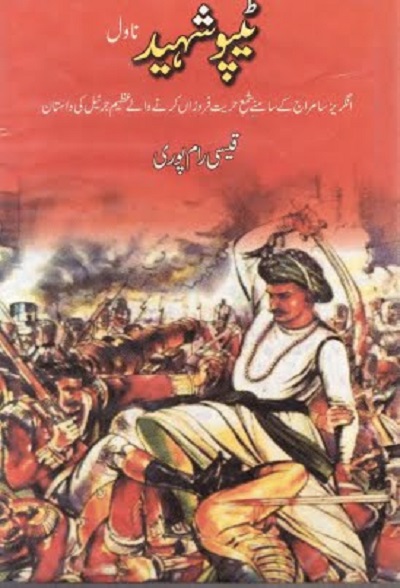
Tipu Sultan Shaheed by Qaisi Rampuri
Some kings fight for land. Some fight for gold. But Tipu Sultan fought for something bigger than both. He fought for his people and for his faith, even when he knew the fight might cost him his life. This is the heart of the novel written by Qaisi Rampuri.
Who Was Tipu Sultan
Tipu Sultan ruled Mysore during a time when the British East India Company was slowly taking over parts of India. He refused to bow down. He built strong forts. He trained a modern army. He even worked on new weapons and rockets long before other kings thought of such things. He believed a nation could not survive under foreign control, and this belief shaped every decision he made as a ruler. The novel captures all of this, but it does not read like a history lesson. It reads like a story you cannot put down.
Rampuri spends time showing how Tipu Sultan grew up watching his father, Hyder Ali, fight against the same enemies. This early exposure shaped him into a leader who understood war before he even took the throne. By the time he became king, he already carried the weight of his father’s unfinished battles on his shoulders.
The Final Battle
Rampuri focuses heavily on Tipu Sultan’s courage during his final battle. The British forces were larger. Their weapons were advanced. Yet Tipu Sultan chose to stand and fight rather than surrender. Advisors around him suggested peace talks. Some even hinted that surrender might save his life. He refused every single time.
He died defending the gates of his own fort in Srirangapatna in 1799. His last moments are written with so much emotion that many readers say they feel a lump in their throat while reading it. Rampuri does not rush this scene. He slows down the narration, almost as if asking the reader to sit with the weight of that moment before moving forward.
More Than Just a War Story
The novel does not only talk about war. It talks about a ruler who cared for his soldiers like family. It shows his relationship with his advisors. It shows moments of doubt too, because even brave men feel fear sometimes.
There are quiet scenes in the book as well. Conversations between Tipu Sultan and his close companions reveal his personal beliefs about justice and leadership. These moments remind readers that he was not just a warrior. He was also a thinker who cared deeply about how his kingdom was run. This honesty makes the character feel real instead of just heroic.
Quick Facts Table
| Point | Detail |
|---|---|
| Author | Qaisi Rampuri |
| Language | Urdu |
| Type of Book | Historical Novel |
| Main Character | Tipu Sultan |
| Setting | Kingdom of Mysore, late 1700s |
| Opponent | British East India Company |
| Central Event | The final battle and fall of Srirangapatna |
| Key Themes | Bravery, sacrifice, resistance, loyalty |
| Writing Style | Emotional and descriptive |
| Reading Level | Simple and easy to follow |
Why This Novel Still Matters
What makes this book special is how it turns a real ruler into someone the reader deeply cares about. You are not just reading about a war from centuries ago. You are watching a man choose death over disgrace. That choice is why Tipu Sultan is still remembered as Shaheed, which means martyr, and why this novel keeps his memory alive for new generations of readers.
Even today, people bring up his name when talking about courage under pressure. Students read this book in schools. Families pass it down between generations. It has become more than just a novel. It has become a symbol of standing firm when everything around you says to give up.








Be the first to review “Tipu Sultan Shaheed By Qaisi Rampuri”