
Haasil Ghaat by Bano Qudsia – Book Review & Summary
Bano Qudsia was one of Pakistan’s most respected Urdu novelists, litterateurs, and short story writers, known for a body of work that consistently explored the emotional and social complexities of everyday life. She was married to Ashfaq Ahmad, himself a celebrated Urdu writer, and together the two remain among the most influential literary figures in Pakistani history, both admired for their lasting contributions to the Urdu language.
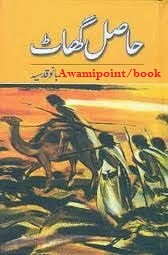
About Haasil Ghaat by Bano Qudsia
Haasil Ghaat by Bano Qudsia stands apart from much of her other work in both setting and structure. Rather than staying rooted in Pakistan, the novel follows a Pakistani family living abroad in the United States, dedicated specifically to people living away from their homeland as immigrants. It’s a longer, more layered piece of fiction, built less around a single plot and more around a series of reflections and interconnected stories.
The novel centers on Humayun Farid, an elderly Pakistani man visiting his daughter, Arjmand, who has settled in the US. Much of the story unfolds through his thoughts as he sits on his daughter’s balcony, looking back over the course of his life. Through his eyes, Bano Qudsia draws out the contrast between two civilizations and two generations — and the quiet psychological strain that gap creates between a father raised in one world and a daughter building her life in another.
Main Points of Haasil Ghaat by Bano Qudsia
- Follows an elderly Pakistani man, Humayun Farid, reflecting on his life while visiting his immigrant daughter in the US
- Structured as a blend of interconnected stories and reflections rather than a single linear plot
- Explores the cultural and generational divide between immigrant children and their parents
- Touches on themes of displacement, memory, and belonging
- Combines elements of drama, suspense, and quiet emotional tension throughout
Themes Worth Noting
At its heart, Haasil Ghaat by Bano Qudsia is about the psychological complexities that come with immigration — not just the physical distance from home, but the emotional and generational gap it creates. The novel captures how differently a parent and child can experience the same move to a new country, and the quiet complexes that develop as a result. It’s less concerned with resolution and more with capturing the internal experience of straddling two worlds.
Who Should Read Haasil Ghaat by Bano Qudsia
This novel is a strong fit for readers interested in immigrant experiences and the generational tension that often comes with them. It’ll also appeal to those who enjoy character-driven, reflective fiction over fast-moving plots, since much of the story lives inside Humayun Farid’s memories and observations. Fans of Bano Qudsia’s more socially observant work will find familiar depth here, even with the shift in setting.
What You Can Learn From It
Haasil Ghaat by Bano Qudsia offers insight into how displacement affects not just the person who leaves, but the relationships they leave behind and the ones they try to rebuild elsewhere. It’s a thoughtful look at how two generations can experience the “same” journey in completely different ways, and a reminder of how much gets lost — and sometimes gained — in that gap.
Where to Find It
Haasil Ghaat is available through licensed Urdu book publishers and retailers. Supporting original sources helps preserve Bano Qudsia’s literary legacy for future generations of

Comments (0)