Bano Qudsia needs no introduction for anyone who’s spent time with Urdu literature. She’s often called one of the finest Urdu novelists to ever pick up a pen, and books like Raja Gidh cemented that reputation long ago. Hawwa Ke Naam by Bano Qudsia is another one of her thought-provoking works, published in 2012 by Sang-e-Meel Publications, running 412 pages in hardcover.
She studied at GCU Lahore, later completing her master’s in Urdu from the same institution. Her husband, Ashfaq Ahmad, was himself a celebrated Urdu writer, and together they left a mark on Pakistani literature that’s hard to overstate. Bano Qudsia received a lifetime achievement award for her contribution to writing, and her influence reached well beyond Pakistan’s borders, with several of her works translated into English and other languages.
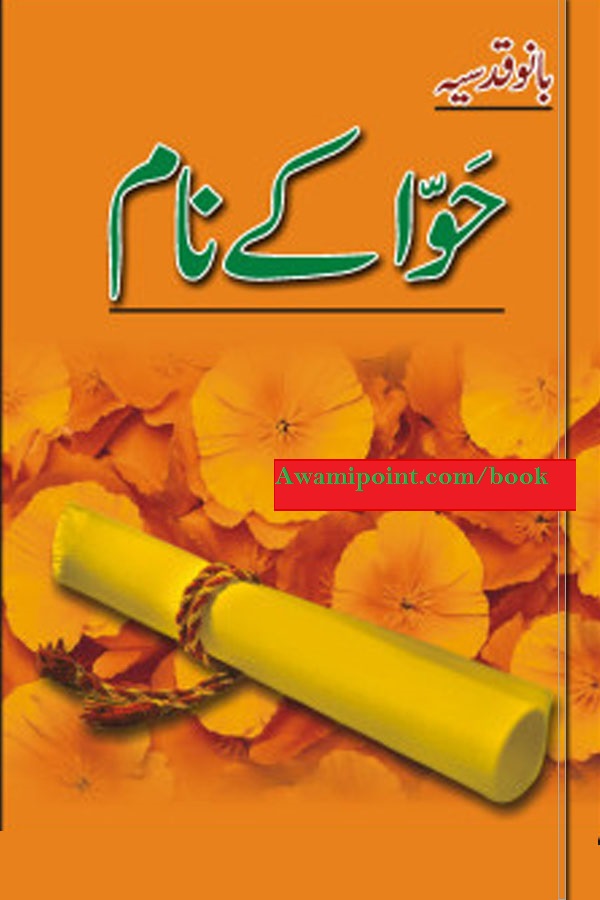
About the Book
Hawwa Ke Naam by Bano Qudsia takes on the subject of women’s empowerment, but not in the way most readers might expect. Rather than echoing the Western framing of the movement, she offers her own take rooted in what she saw as Muslim social values. Her position was fairly clear throughout: she believed the rapid push toward Western-style empowerment didn’t sit naturally within the fabric of Muslim society, and that a woman’s role carried a sense of responsibility toward her husband and family.
It’s a view that split opinion even among her own readers some agreed wholeheartedly, others pushed back. She wrote it during a period, referencing 1971 as a landmark year for the women’s movement, when these conversations were just beginning to surface publicly in South Asian society.
Main Points of the Book
- A personal, cultural counter-argument to Western-style feminism, framed through a Muslim social lens
- Reflection on how fast social change was reshaping family structures and relationships in Pakistan
- Emphasis on a woman’s role and responsibility within marriage as Bano Qudsia understood it
- Commentary on how tradition and modern ideas were clashing in the decades following 1971
- A broader meditation on identity, duty, and belonging rather than a plot-driven narrative
Themes Worth Noting
A lot of the book grapples with how fast social change can outpace a culture’s ability to absorb it. Bano Qudsia writes about relationships fraying, traditions eroding, and a general sense of confusion that comes when old values collide with new ideas. She doesn’t offer easy answers — instead, she paints a picture of a society caught between holding onto its roots and reacting to outside pressure to change.
Who Should Read This Book
This book will resonate most with readers interested in South Asian social history, gender discourse from a traditional Muslim perspective, or anyone curious about how prominent Urdu writers engaged with feminism in the 1970s and beyond. It’s also a good pick for longtime fans of Bano Qudsia’s other work who want to understand the ideological threads running through her writing. Readers looking for a plot-heavy novel might find it slower-paced, since it leans more toward reflection and commentary than storytelling.
What You Can Learn From It
Beyond the central debate on women’s roles, the book offers insight into how one generation processed rapid cultural change a theme that still feels relevant today, regardless of where you land on the actual argument. It’s a useful lens for understanding how tradition and modernity were negotiated in Pakistani society, and it pushes readers to think critically about which parts of cultural change are genuinely progress and which are simply disruption.
Where to Find It
Hawwa Ke Naam is available through Sang-e-Meel Publications and other licensed Urdu book retailers, both in print and through authorized platforms. Supporting original publishers is the best way to keep preserving Bano Qudsia’s legacy for future readers.
Comments (0)