
Bano Qudsia remains one of the most respected figures in Urdu literature — a novelist, short story writer, and television playwright known affectionately in literary circles as “Aapa.” Beyond her fiction, she was also known for her quotes, poetry, and Aqwal-e-Zareen (words of wisdom), which have circulated widely among readers over the years. Samaan-e-Wajood by Bano Qudsia reflects that same reflective, almost philosophical voice, offering a collection of short stories centered on how people live, what they chase, and what actually matters in the end.
She graduated from GCU Lahore and completed her master’s in Urdu from the same institution. Her husband, Ashfaq Ahmad, was himself a celebrated Urdu writer, and together they left an enduring legacy in Pakistani literature. Bano Qudsia passed away in 2017 and is buried in Lahore, but her influence on Urdu fiction remains as strong as ever.
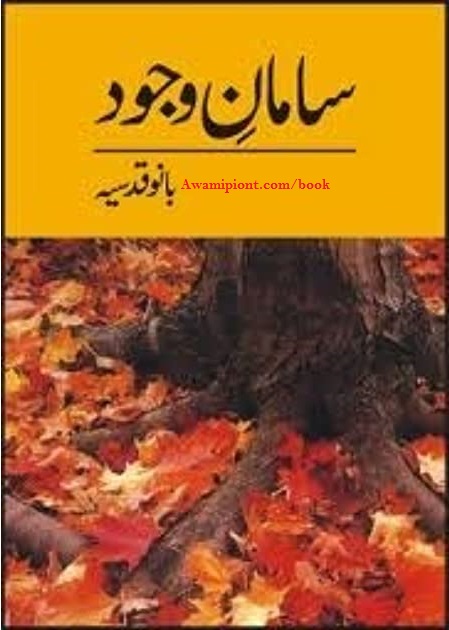
About Samaan-e-Wajood by Bano Qudsia
Samaan-e-Wajood by Bano Qudsia is a compact collection, built around the idea that everything in the universe was created with purpose — and that human beings often lose sight of that purpose the moment wealth and pride enter the picture. The stories explore how quickly comfort can turn into arrogance, and how that shift affects relationships, marriages, and the people left behind.
One of the standout stories follows Jameela, who falls in love with and marries a young businessman named Shahid. He starts out modestly, but within a few years builds a business empire — factories, plazas, and stock market investments. As his wealth grows, so does his pride, and he slowly begins neglecting Jameela, despite her parents having had reservations about the marriage from the start. The story doesn’t end well for him, and that’s very much the point.
Main Points of the Book
- A collection of short stories centered on wealth, pride, and mortality
- Central story follows Jameela and Shahid, tracing how sudden wealth changes a marriage
- Recurring reference to Quranic teachings on the certainty of death despite worldly success
- Reflection on how material success can quietly erode humility and relationships
- A broader commentary on how modern society often measures worth through possessions
Themes Worth Noting
The book leans on a simple but powerful idea: wealth, left unchecked, tends to make people forget what actually matters. Bano Qudsia draws directly on the Quranic reminder that death is certain for everyone, regardless of how much someone accumulates in life. One line from the book sums up the mood well — a professor’s observation that wealth has become something like a virus of the modern era, leaving no one truly satisfied no matter how much they have.
Who Should Read This Book
This collection is well suited to readers who enjoy short, thought-provoking fiction with a moral or spiritual undertone. It’s particularly relevant for anyone interested in how materialism affects relationships, or readers drawn to stories that blend everyday domestic life with larger questions about mortality and purpose. Fans of Bano Qudsia’s reflective writing style, especially those who appreciated her quotes and Aqwal-e-Zareen, will find a lot to connect with here.
What You Can Learn From It
Samaan-e-Wajood by Bano Qudsia offers a quiet but firm reminder that success and pride can come at the cost of the relationships that matter most. It encourages readers to reflect on their own priorities — how much of daily life is spent chasing things that won’t matter in the end, and how easy it is to lose humility once things start going well. It’s a short read, but one that stays with you.
Where to Find It
Samaan-e-Wajood is available through licensed Urdu book publishers and retailers. Supporting original sources helps preserve Bano Qudsia’s literary legacy for future generations of readers.

Comments (0)